TTRPG Game Designer | Scars of Amethyst
• Designed original campaign worlds, narrative modules, and mechanical systems across D&D 5E, Pathfinder 1E, Pathfinder 2E, and Starfinder.
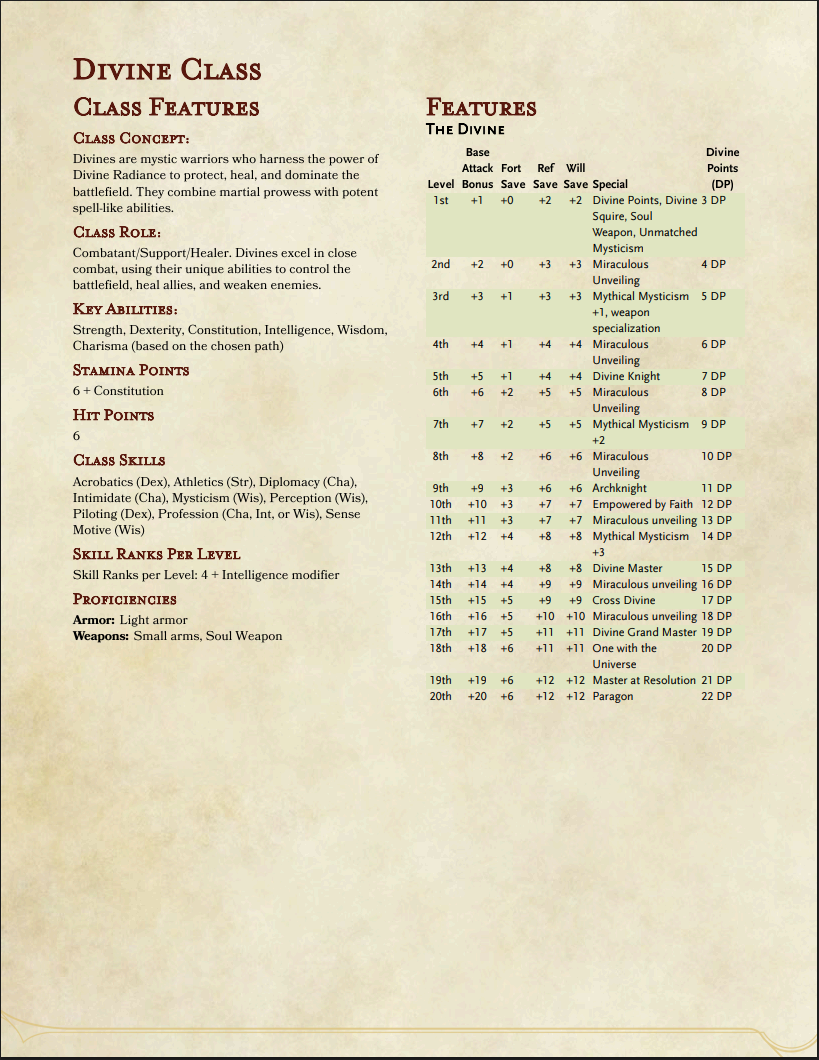
• Created complete divine class frameworks, custom archetypes, and progression systems that balance narrative identity with mechanical fairness.
• Built modular mechanical tools, including a full D&D 5E to Pathfinder 1E conversion system and reusable encounter design frameworks.
• Integrated lore, stakes, and encounter pacing into game-ready content focused on player choice and long-term campaign cohesion.
• Ran large-scale playtests and iterative revisions, refining encounter balance, narrative flow, and branching outcomes based on player feedback.

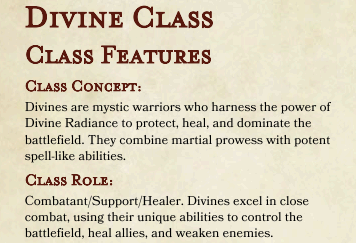
Divine Class
Creating a “Jedi-Like” Fantasy in Starfinder
In Starfinder 1E, there isn’t a true “Jedi-like” class.
The Solarian came close mechanically, but it didn’t capture the fantasy many of my players were looking for. Over multiple campaigns, players consistently asked for something that felt more like a lightsaber-wielding, force-empowered character.
My goal was to create a class that fulfilled that fantasy while still feeling unique to Starfinder, balanced against existing classes, and grounded in its own identity and lore.
The Blade Defines the Character
I anchored the entire class around the idea of blade identity.
Each blade color represented a primary ability score and defined how the class played:
Strength – Red
Dexterity – Orange
Constitution – Yellow
Intelligence – Green
Wisdom – Blue
Charisma – Purple
This immediately gave players a clear choice at character creation. Your blade color wasn’t cosmetic. It defined your core stat, combat style, and progression path.
A Universal Ability Pool
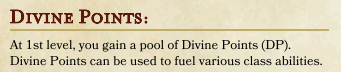
I still wanted shared abilities that reinforced the fantasy, like pushing or pulling enemies with raw soul energy.
To support this, I designed a point-based resource pool that all Divines draw from.
Each path gained unique abilities automatically through leveling, while also selecting from a shared pool of powers available to every Divine.
This allowed customization without fragmenting the class.
Balancing Against Existing Classes
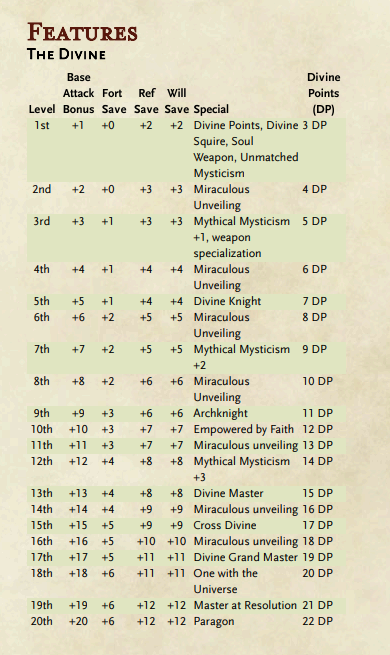
I used Starfinder’s existing class and leveling structure as a foundation, building the Divine from level 1 to 20.
As the class progressed, I added additional features and abilities to ensure it stayed competitive and mechanically on par with other classes at every tier of play.
Testing Across Levels and Groups
I playtested the Divine with three different groups.
Some tests focused on specific level brackets.
Others played the class from level 1 through higher-level progression.
Based on feedback, I adjusted abilities, resource costs, and scaling until the class felt fun, flexible, and balanced across playstyles.
A New Class With Its Own Identity
The final result was the Divine, a class powered by soul magic rather than the Force.
It delivers the fantasy players were asking for while remaining mechanically distinct from Solarians and fully integrated into the Starfinder system.
The class provides:
Clear player identity
Multiple viable playstyles
Strong narrative hooks
System-appropriate balance
Most importantly, it gave players something Starfinder didn’t previously offer, without breaking what already worked.
One Class, Multiple Playstyles
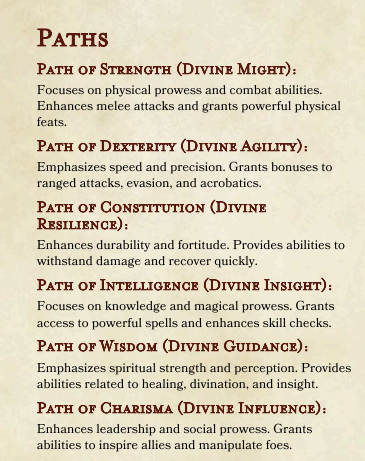
With blade colors as the foundation, I split the class into distinct paths.
Each path supported a different role and playstyle depending on the chosen stat, ensuring that two Divine characters could feel radically different at the table.
This kept the class flexible while avoiding overlap with existing Starfinder roles.
-
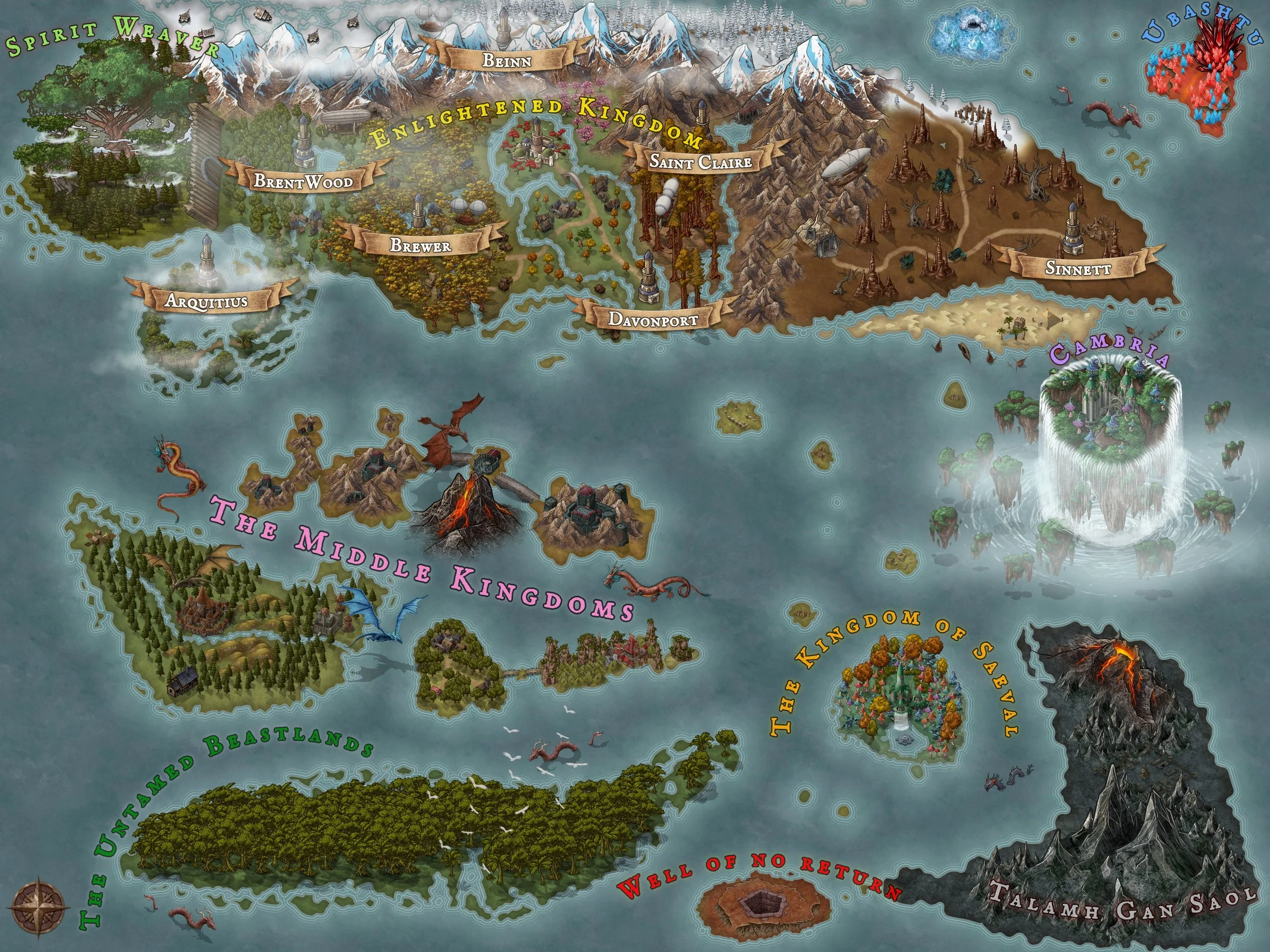
![An image of the dochas nua.]()
Map of Dochas Nua.
Used in The Pain in Truth campaign module.
-
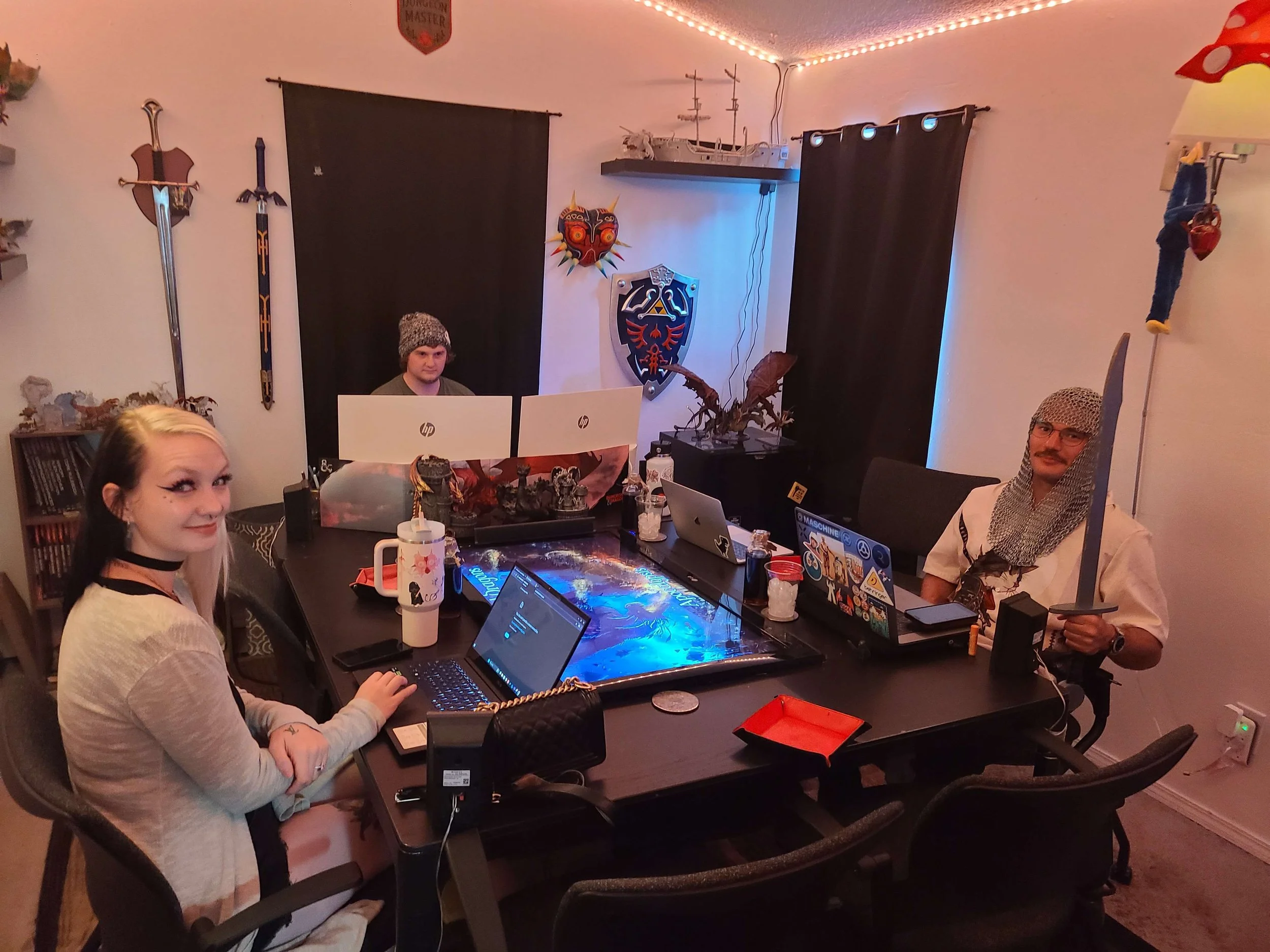
![]()
Image of a custom-built tabletop display I constructed for my game room, designed to showcase D&D maps, handouts, and other play materials during sessions.
-
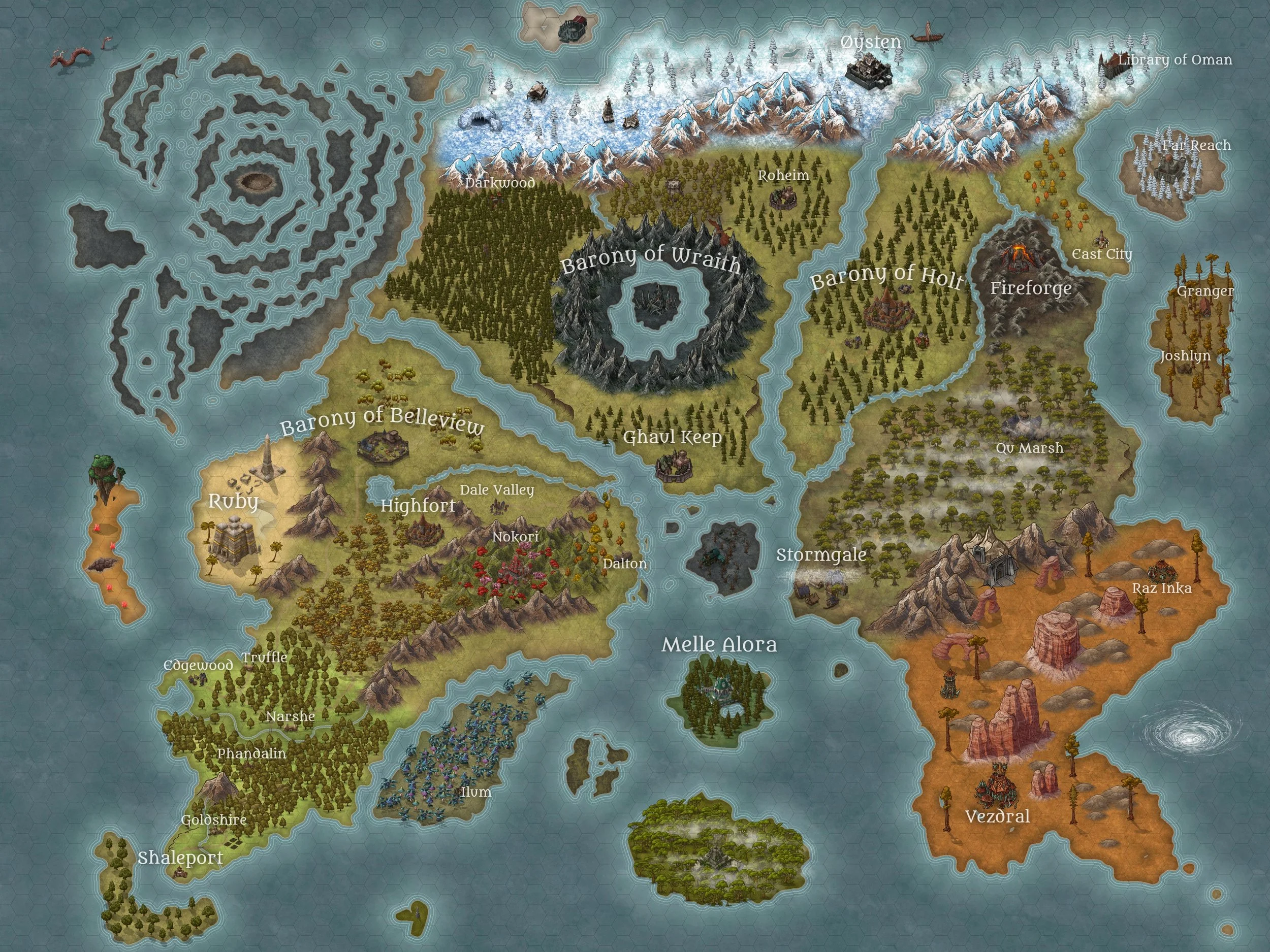
![An image of the Xenith.]()
Map of Xenith
Used in Broken Order Campaign Module.
-
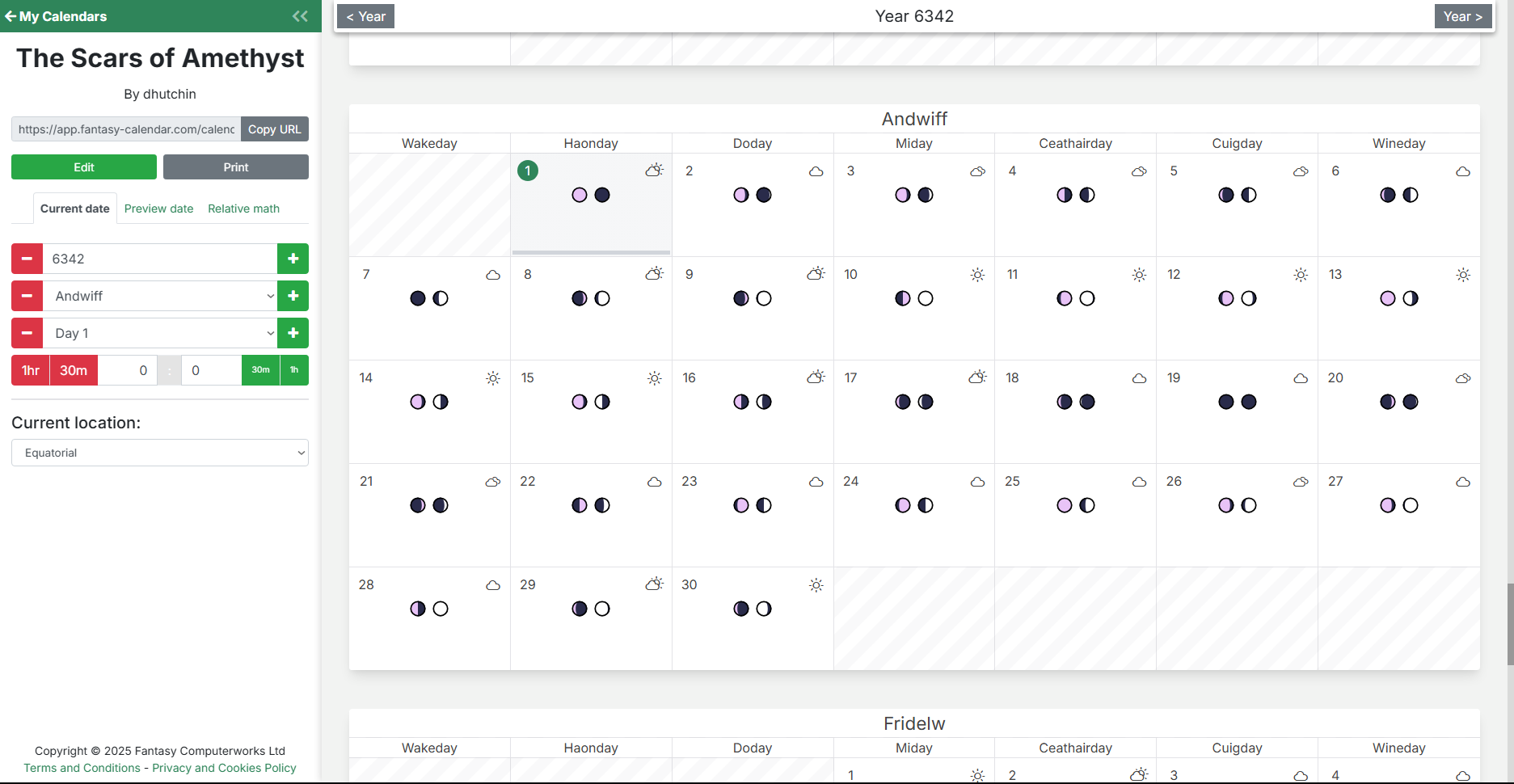
![An image of star map.]()
Calendar of Dochas Nua.